Tag: Disability

  • Raising the Standard of Inclusive Traffic Management in London

    Raising the Standard of Inclusive Traffic Management in London

    Designing safe temporary traffic management sites in London means thinking about more than traffic flow, signs and barriers.

    It means thinking about people.

    In a city as busy and complex as London, temporary traffic management has to work for pedestrians, cyclists, wheelchair users, assistance dog users and people with a wide range of access needs. A layout may look fine on paper, but that does not always mean it works as well as we hope in the real world.

    That is why we have been working with Michael Barrett and Transport for London to improve how we think about, design and deliver inclusive traffic management in London.

    Why This Matters

    London presents some of the most challenging environments for temporary traffic management in the UK.

    High footfall, cyclists, public transport, limited road space and live urban activity all mean that even small layout decisions can have a big impact on how people move through a site.

    For us, good traffic management in London has to do more than manage vehicles safely. It also has to support people moving through and around worksites in a way that feels clear, accessible and properly considered.

    Learning Through Lived Experience

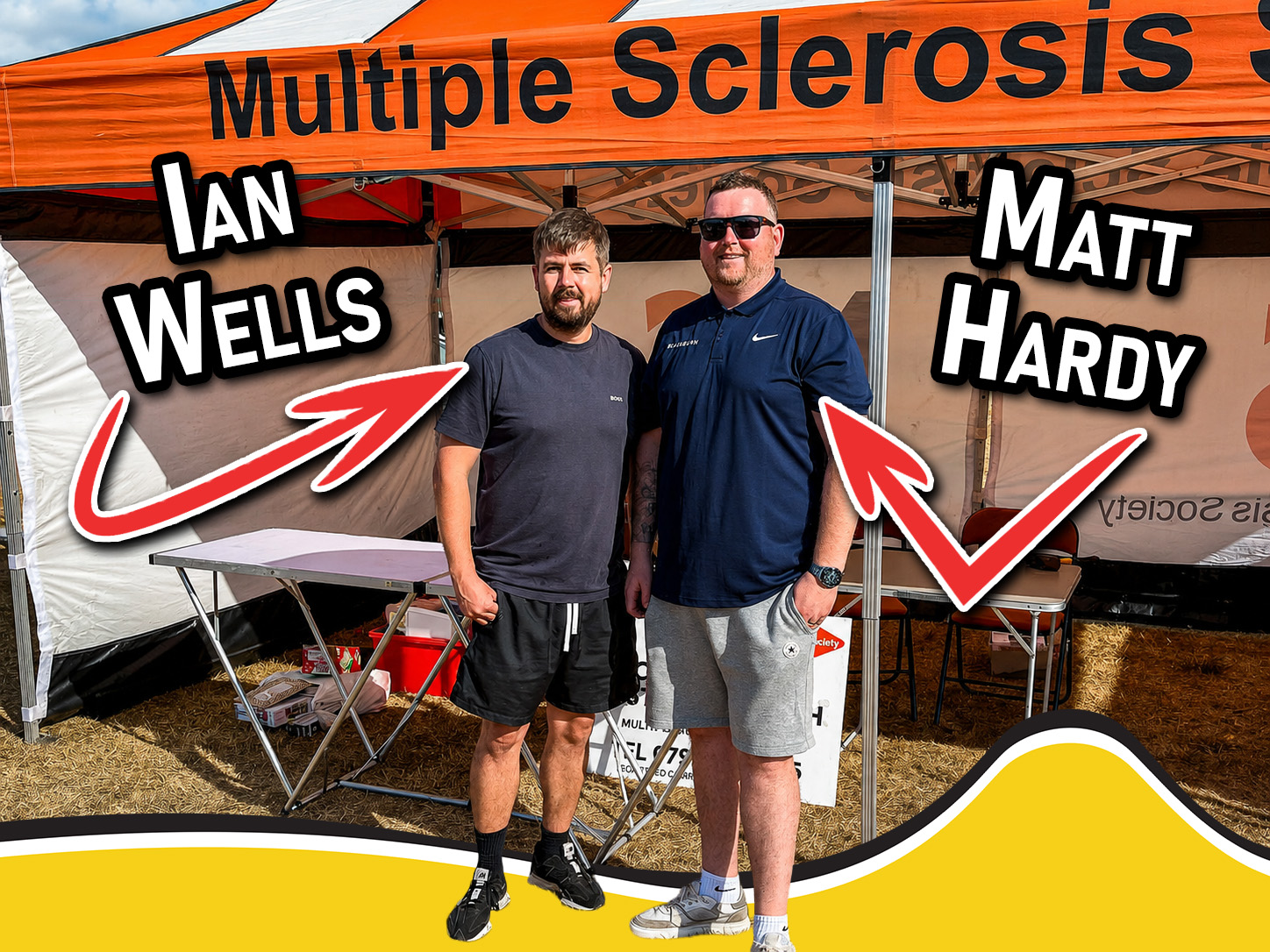
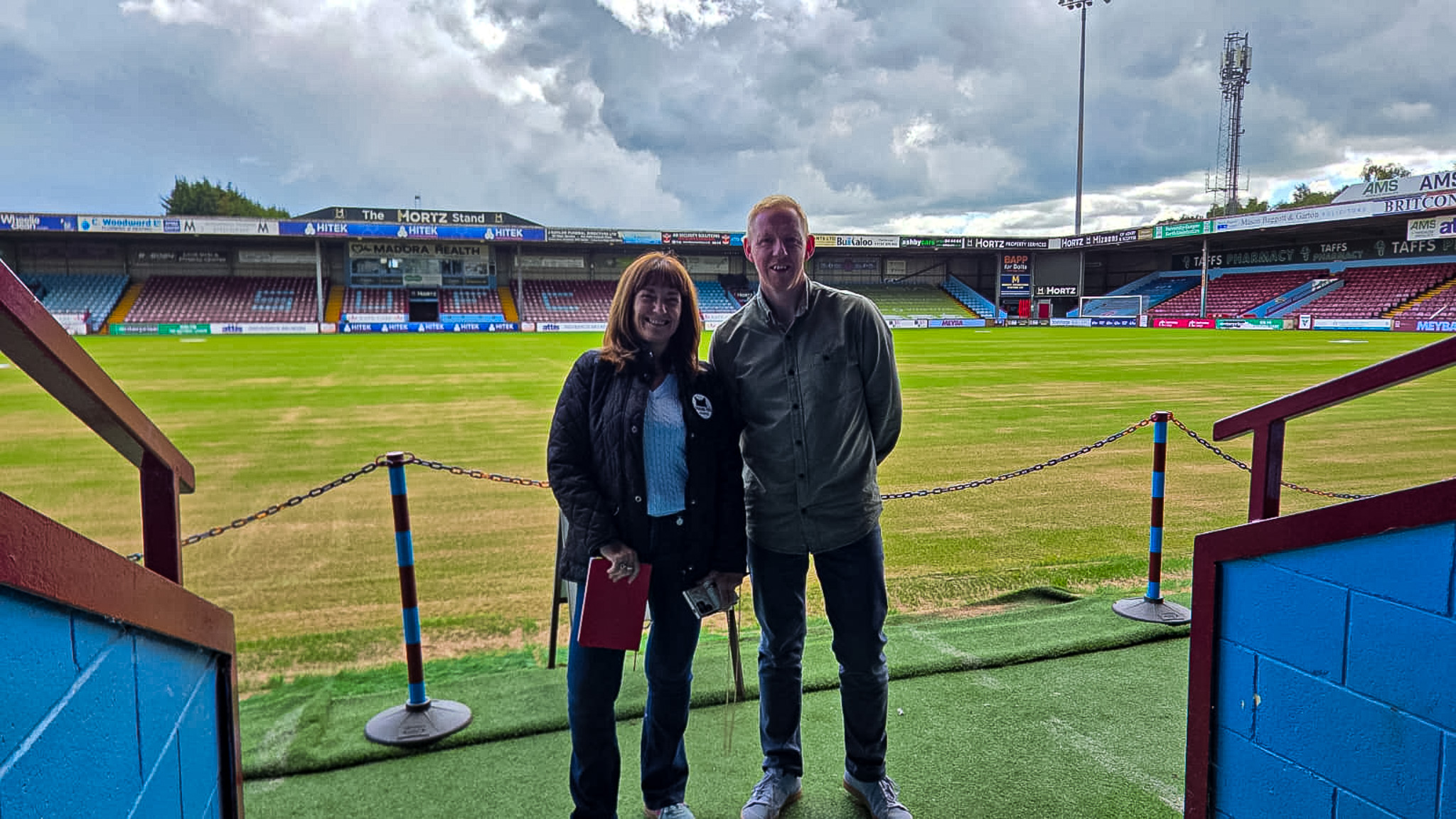
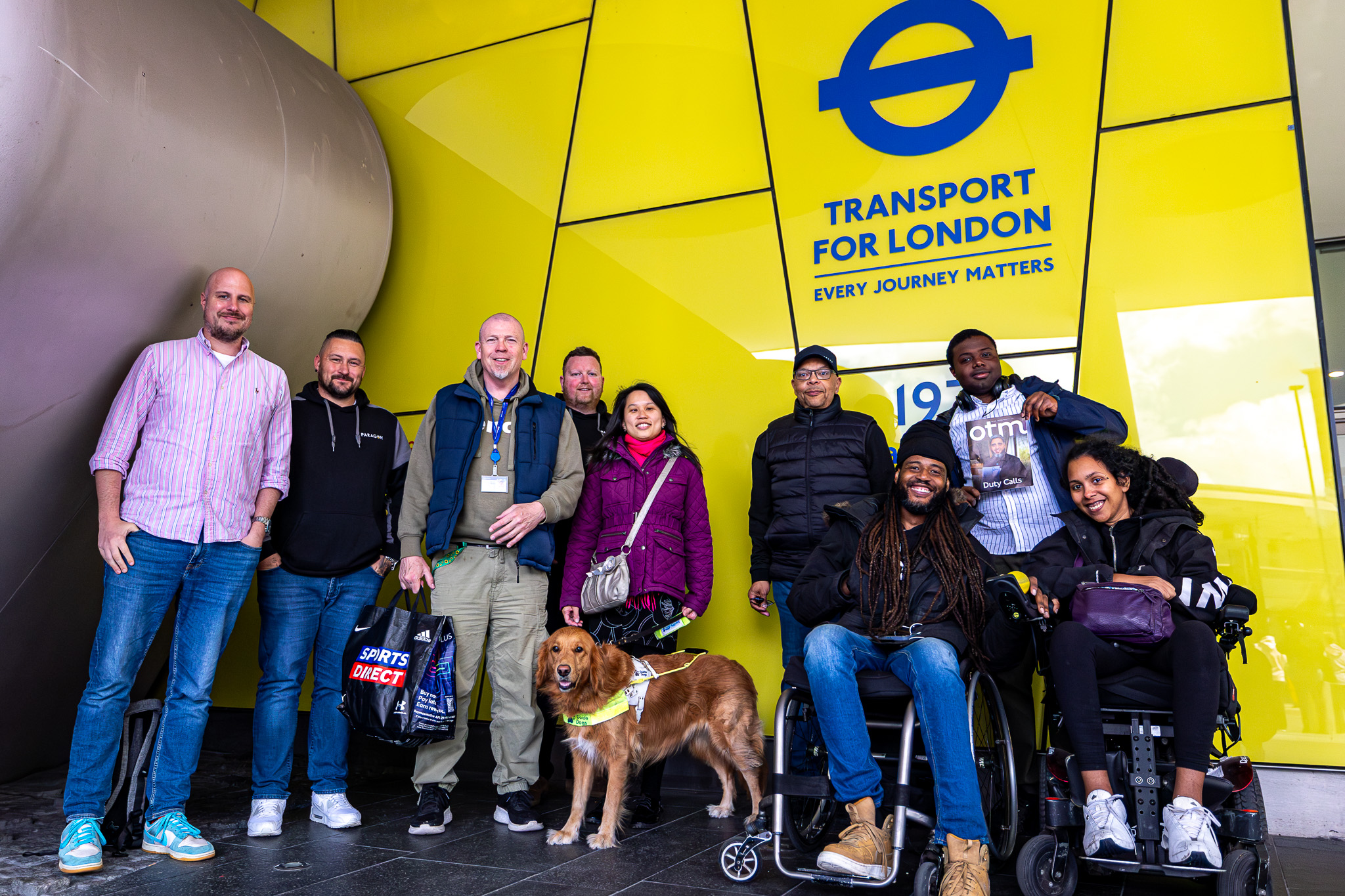
    To take that understanding further, Matt Hardy (BDM) and Russ Mitchell, our Amersham Depot Supervisor, spent time in London with Michael and the TfL team, meeting a number of brilliant people and hearing directly about their lived experience of trying to navigate temporary traffic management sites.

    That included insight from:

    • wheelchair and powerchair users
    • assistance dog users
    • disabled cyclists
    • people who are neurodivergent or have learning difficulties
    • people living with long-term health conditions and mental health conditions

    The day gave our team the chance to listen properly, ask better questions and see first-hand how certain design choices can create barriers in practice.

    The feedback afterwards was simple: it was genuinely eye opening and has already had an impact on how we’ll be creating traffic management plans moving forward.

    Raising Standards Through Better Design

    One of the biggest lessons from this work has been the importance of moving beyond assumptions.

    A route that looks acceptable on a drawing can feel completely different to somebody trying to navigate it with a wheelchair, assistance dog or cycle in a busy urban environment.

    That is why lived experience matters so much.

    It helps shift the thinking from:

    โ€œDoes this meet the requirement?โ€

    to:

    โ€œDoes this actually work for the person using it?โ€

    For us, that is where better inclusive traffic management begins.

    From Planning to Delivery

    This learning is already shaping how we think about temporary routes, accessibility and public movement, from the design phase right through to delivery on site.

    That means improving:

    • how we plan pedestrian and cycle routes
    • how early accessibility is considered
    • how barriers are identified before they become problems
    • how teams understand the real-world impact of layout decisions

    This is especially important in London roadworks traffic management, where space is tight and public interaction is constant.

    Only the Start, but an Important One

    We know this is only the start of a much bigger journey, but it is a start, and that matters.

    We want to keep learning, keep improving and keep helping raise standards across the wider industry when it comes to designing and delivering more inclusive temporary traffic management sites.

    If better conversations and better understanding lead to better sites for the people moving through them, then that is a step worth taking.

    Looking for a Traffic Management Partner in London?

    If you are looking for a traffic management company in London that takes accessibility, public interface and real-world site usability seriously, we would be happy to talk.

    We support projects across London and the wider South East with a people-led, responsive and safety-focused approach to temporary traffic management.

    Call: 0800 698 0267
    Email: contact@paragontm.co.uk

    #SafetyByChoiceNotByChance

  • Disability Confident Level 1 Commitment

    Disability Confident Level 1 Commitment

    At Paragon Traffic Management, safety and accessibility go hand in hand. We are proud to announce that we have achieved Disability Confident Level 1 โ€“ Comitted status, marking an important step in our ongoing commitment to inclusion, accessibility and responsible service delivery across the UK.

    For organisations delivering works in busy urban environments such as London, Manchester, Birmingham, Leeds and Liverpool, accessibility is not an optional extra โ€” it is essential. Our commitment to the Disability Conficent scheme reinforces our approach to designing and delivering traffic management that works for everyone who uses the space.


    What Disability Conficent Means in Practice

    The UK Governmentโ€™s Disability Confident scheme encourages employers to think differently about disability and take meaningful action to improve how they recruit, support and develop disabled people.

    By achieving Level 1, Paragon has committed to:

    • Inclusive recruitment practices
    • Clear and accessible communication of opportunities
    • Offering interviews to disabled applicants who meet essential criteria
    • Providing reasonable workplace adjustments
    • Supporting existing employees to thrive in their roles

    This milestone strengthens our people-first culture and helps ensure we continue building a workforce that reflects the diverse communities we serve.


    Why Accessibility Matters in Urban Traffic Management

    In densely populated urban areas, traffic management setups are encountered by thousands of pedestrians and road users every day. This includes people with mobility impairments, visual impairments, neurodivergent conditions, parents with pushchairs, and elderly residents.

    By strengthening our understanding of accessibility and inclusion, we can:

    • Design safer pedestrian routes and clear crossings
    • Improve site layouts for visually impaired users
    • Reduce confusion and risk in high-footfall environments
    • Ensure compliance aligns with real-world usability
    • Support safer movement through busy worksites

    For clients operating in major cities, this approach helps protect public safety, maintain reputation, and support social value commitments.


    Supporting Social Value and Inclusive Communities

    Many infrastructure, telecoms, utilities and civil engineering projects now require demonstrable social value contributions. Our Disability Confident commitment supports these requirements by reinforcing our focus on equality, accessibility and community wellbeing.

    This commitment aligns with:

    • Public sector procurement expectations
    • Urban authority accessibility priorities
    • Equality and inclusion standards
    • Community safety and wellbeing initiatives

    A Step Forward โ€” With More to Come

    Achieving Disability Confident Level 1 is the beginning of a wider journey. We are committed to continually improving accessibility awareness, strengthening inclusive practices and ensuring our workplaces and worksites are welcoming and safe for everyone.

    As we continue delivering traffic management across major UK cities and urban environments, our focus remains clear:

    Safety By Choice, Not By Chance.