Author: admin

  • CAD design for traffic management

    CAD design for traffic management

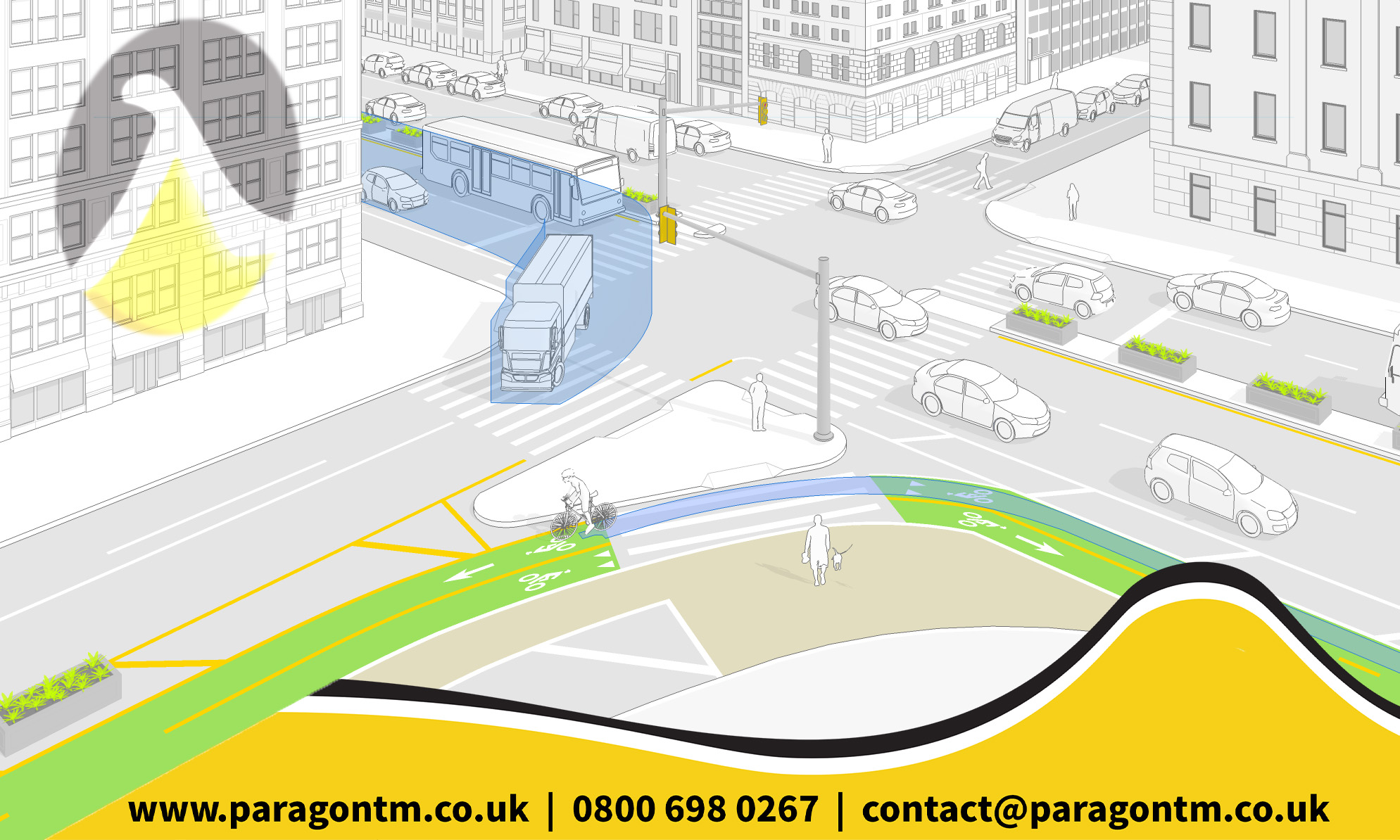
    AutoCAD is a computer-aided design software that has become an essential tool for creating accurate and detailed designs for traffic and pedestrian management schemes. The software allows designers to create 2D and 3D models of roadways, intersections, and other transportation infrastructure, which can be used to visualise, simulate, and optimise traffic flows and pedestrian movements.

    In the context of traffic and pedestrian management schemes, AutoCAD designs can be used for a wide range of applications, including:

    Roadway and Intersection Design: AutoCAD can be used to create detailed plans for roadway and intersection layouts, including lane configurations, turning movements, and signal timings. This allows designers to optimise traffic flow and reduce congestion, while also ensuring the safety of drivers, pedestrians and the workers within the work zone.

    Parking Layouts: AutoCAD designs can be used to create detailed plans for parking layouts, including the number and location of parking spaces, as well as access and egress points. This allows designers to optimise parking utilisation and reduce traffic congestion around parking facilities.

    Public Transportation Facilities: AutoCAD designs can be used to create detailed plans for public transportation facilities such as bus stops, transit hubs, and railway stations. These designs can help to improve the efficiency and accessibility of public transportation systems, while also reducing congestion and improving air quality.

    The use of AutoCAD designs in traffic and pedestrian management schemes has several benefits. Firstly, it allows designers to create accurate and detailed plans that can be easily shared and communicated to all involved with the projects such as local authorities, transportation planners, and construction contractors. This helps to ensure that everyone involved in the project has a clear understanding of the design, which can help to prevent misunderstandings and errors during the construction phase.

    Secondly, it can be used to simulate and optimise traffic flows and pedestrian movements, which can help to identify potential issues and optimise the design for maximum efficiency and safety. This can help to reduce construction costs, as well as improve the long-term functionality and sustainability of the transportation infrastructure.

    Interested in AUto CAD for your Road Traffic Management? – call our team on 0800 689 0267

    In summary, AutoCAD designs are essential for creating accurate plans for pedestrian and traffic management schemes. By providing designers with the ability to create 2D and 3D models of transportation infrastructure, AutoCAD designs can help to optimise traffic flows, improve pedestrian safety and accessibility, and enhance the efficiency and sustainability of transportation systems. To find out more about how we use CAD design to help our clients, visit our CAD services page HERE.

  • Mobile Welfare Units

    Mobile Welfare Units

    Mobile welfare units, or welfare vehicles, provide a range of facilities and services that are vital for ensuring the safety and wellbeing of traffic management operatives who work in often challenging and hazardous environments such as motorways and dual carriage ways.

    In the context of traffic control, mobile welfare units are typically deployed at construction sites, roadworks, and other locations where traffic control personnel are required to work for extended periods. These units are designed to provide a safe and comfortable space where personnel can rest, eat, and access facilities such as toilets and washing facilities.

    One of the key benefits of mobile welfare vehicles is that they enable traffic control personnel to take breaks and recharge, which is critical for maintaining alertness and concentration over long periods. This is particularly important in the context of traffic control, where personnel are required to work near moving vehicles and heavy machinery.

    Mobile welfare units also help to improve the overall efficiency and effectiveness of traffic control operations. By providing on-site facilities, personnel can avoid the need to travel off-site to access amenities, which can reduce downtime and increase productivity. Additionally, mobile welfare units can be equipped with technology such as communication systems and CCTV, which can enhance coordination and monitoring of traffic control operations.

    In terms of design and functionality, they are typically self-contained and can be transported to and from sites as needed. They are usually equipped with facilities such as toilets, washrooms, kitchens, and rest areas, but can be customised to suit the specific needs of different traffic control operations.

    Mobile welfare units are subject to strict health and safety regulations to ensure that they meet the highest standards of safety and functionality. These regulations cover areas such as hygiene, ventilation, and fire safety, and are designed to protect the health and wellbeing of all users.

    Find out more – call our team on 0800 689 0267

    In summary, mobile welfare units play a critical role in ensuring the safety and wellbeing of traffic management operatives in the UK. By providing essential facilities and services on-site, these units enable personnel to work safely and effectively in often challenging and hazardous environments. As such, they are an essential tool for managing traffic control operations and ensuring the safety of all road users. To find out more about how we help our clients with welfare vehicles, visit our welfare vehicle service page HERE.

  • Urban Traffic Management

    Urban Traffic Management

    Traffic management is an essential aspect of urban planning in the UK. With the rise in population, urbanisation and motorisation, traffic congestion has become a persistent issue that not only affects the daily lives of millions of people but also has significant economic and environmental impacts. In response to these challenges, various traffic management solutions have been implemented across the UK, ranging from traditional road infrastructure improvements to advanced technologies and data-driven solutions.

    One of the most widely adopted traffic management solutions in the UK is the introduction of congestion charges in some cities. London, for instance, was the first city in the world to introduce a congestion charge in 2003. The scheme charges drivers who enter the central zone of London during peak hours, with the aim of reducing traffic congestion, improving air quality, and promoting sustainable modes of transport such as cycling and public transport. Other UK cities such as Durham, Bath, and Birmingham have also implemented similar schemes with varying degrees of success.

    In addition to congestion charges, traffic management in the UK also involves the use of Intelligent Transport Systems (ITS) such as traffic cameras, sensors, and data analytics. These systems provide real-time data on traffic flows, congestion, and incidents, which are used to optimise traffic flow and improve safety on the roads. For instance, the Highways England’s Smart Motorways initiative involves the deployment of a network of sensors, cameras, and other technologies to monitor and manage traffic flow on major motorways.

    Another traffic management solution that has gained traction in the UK is the development of cycling and walking infrastructure. The UK government has invested heavily in building cycle lanes, bike parking, and pedestrianised zones in many cities to promote active travel and reduce congestion. This has led to an increase in the number of people using sustainable modes of transport, which in turn has reduced the number of cars on the roads.

    Furthermore, the UK government has also launched several initiatives to promote electric and low-emission vehicles to reduce the environmental impact of transportation. These initiatives include financial incentives for purchasing electric vehicles, the installation of charging infrastructure, and low-emission zones in cities. These measures have been successful in reducing air pollution and improving air quality in many urban areas.

    Finally, the UK government is also exploring the use of emerging technologies such as autonomous vehicles, connected cars, and drones for traffic management. These technologies have the potential to revolutionise the way we travel, reduce congestion, and improve safety on the roads. However, there are still significant challenges to overcome, such as public acceptance, infrastructure requirements, and regulatory frameworks.

    Find out more – call our team on 0800 689 0267

    In conclusion, traffic management solutions in the UK involve a range of measures, from traditional road infrastructure improvements to advanced technologies and data-driven solutions. The implementation of these solutions has helped to reduce traffic congestion, improve air quality, and promote sustainable modes of transport. However, there is still a long way to go, and further innovation and investment will be necessary to address the persistent challenges of traffic management in the UK.

  • Event Traffic Management Solutions

    Event Traffic Management Solutions

    Event traffic management is a crucial aspect of planning any successful event. In the United Kingdom, there are several event traffic management solutions that event organisers can implement to ensure the smooth flow of traffic and the safety of attendees. In this article, we will explore some of these solutions.

    Traffic Management Plan (TMP)

    The first step to effective traffic management is to create a Traffic Management Plan (TMP). This plan outlines the traffic flow for the event, identifying the areas of congestion and how to mitigate them. It also includes contingency plans for potential incidents that may occur, such as accidents or unexpected road closures.

    Pre-Event Communication

    Before an event, it is crucial to communicate with attendees and residents to inform them about the event and any potential disruption it may cause. This communication can be done through various channels, such as social media, email, and signage. It is also essential to work with local authorities to ensure that road closures and diversions are adequately communicated to the public.

    Car Park Management

    Event organisers need to plan for adequate parking spaces to avoid congestion and confusion. They must also ensure that the car park is located close to the event site and that it has sufficient capacity to accommodate attendees. Car park management may include the use of attendants to direct traffic and the provision of shuttle services to and from the car park.

    Pedestrian Management

    Pedestrian management is crucial in ensuring the safety of attendees. Event organisers must plan for pedestrian routes that avoid congestion and prevent accidents. This may include the provision of clearly marked footpaths, signs, and barriers to direct pedestrian traffic.

    Traffic Control Measures

    Traffic control measures include the use of traffic signs, signals, and road closures to control the flow of traffic. Event organisers may also use temporary traffic signals and pedestrian crossings to ensure the safety of attendees. It is essential to work with local authorities to obtain the necessary permits for any road closures and to ensure that emergency services have access to the event site.

    Public Transport

    Encouraging attendees to use public transport is an effective way to reduce traffic congestion and the carbon footprint of an event. Event organisers can work with local transport providers to increase service frequency and capacity during the event. They may also provide information on public transport options to attendees.

    Fast and efficient Traffic management for your next event – speak to our team today | 0800 689 0267

    In conclusion, event traffic management is a critical aspect of planning a successful event in the UK. Event organisers must work with local authorities and stakeholders to develop a Traffic Management Plan that addresses all potential issues. Effective communication, adequate car park and pedestrian management, and the use of traffic control measures and public transport are essential in ensuring the smooth flow of traffic and the safety of attendees. By implementing these solutions, event organisers can deliver a memorable and safe event experience for all. . To find out more about how we use CAD design to help our clients, visit our event service page HERE.

  • Emergency Road Closure Traffic Management

    Emergency Road Closure Traffic Management

    Emergency road closures are a type of temporary traffic management solution that is employed in situations where there is a risk to the safety of road users, such as accidents, incidents, or dangerous weather conditions. When an emergency road closure is required, it is essential to act quickly to prevent further risk to the public and allow emergency services to attend to the incident.

    During an emergency road closure, road users are diverted away from the affected area to alternative routes. Traffic management personnel are responsible for implementing the diversion routes and managing the flow of traffic to ensure that road users are kept safe and the impact on the surrounding road network is minimised.

    To ensure that emergency road closures are managed effectively, local authorities and emergency services work closely together to plan and implement the temporary traffic management solution. This involves assessing the incident, identifying the risks, and implementing appropriate measures to manage the flow of traffic, such as diversion routes and road closures.

    The UK has strict regulations for emergency road closures, and these regulations ensure that all emergency road closures are managed safely and efficiently. These regulations cover a range of areas, including the design and placement of traffic signs, the use of traffic signals, and the management of traffic flow.

    In some cases, temporary road closures may be in place for an extended period, such as during major incidents or severe weather conditions. In these situations, it is essential to provide regular updates to road users and the public to ensure that they are aware of the situation and can plan their journeys accordingly.

    Need Emergency Road Closure traffic management? Call us and speak to our team – 0800 689 0267

    In conclusion, emergency road closures are a vital temporary traffic management solution that is employed in situations where there is a risk to the safety of road users. The UK has strict regulations for emergency road closures, and local authorities and emergency services work closely together to plan and implement these solutions. By employing effective emergency road closures, the UK can ensure the safety of road users and minimise the impact on the surrounding road network. To find out more on how we help our clients with emergency road traffic management, visit our emergency works service page HERE.

  • Temporary Traffic Management Solutions in the UK

    Temporary Traffic Management Solutions in the UK

    Traffic management is an important aspect of modern-day life, especially in the UK, where cities are densely populated, and the roads are often congested. Temporary traffic management solutions play a vital role in ensuring the smooth flow of traffic, and they are implemented in various situations, including roadworks, events, and emergencies. In this article, we will discuss the temporary traffic management solutions in the UK.

    Temporary traffic management solutions are designed to ensure the safety of road users, pedestrians, and workers. The UK has strict regulations on traffic management, and all temporary traffic management solutions must comply with these regulations. The regulations ensure that all temporary traffic management solutions are safe, efficient, and appropriate for the specific situation.

    One of the most common situations to deploy temporary traffic management measures in the UK is roadworks. Roadworks are necessary to maintain and upgrade the roads and highways in the country. However, they can cause significant disruption to traffic flow when carried out. To manage traffic during roadworks, a range of temporary traffic management solutions are employed. These solutions include the use of temporary traffic lights, road closures, and diversion routes. In some cases, one-way systems are implemented to control the flow of traffic.

    Temporary traffic management solutions are also used during events. Large events, such as festivals, concerts, and sporting events, can cause significant traffic congestion. To manage traffic during these events, temporary traffic management solutions are implemented. These solutions include the use of temporary road closures, traffic diversions, and one-way systems. Event organisers work closely with local authorities to plan and implement these solutions to ensure the safety of road users and pedestrians.

    The UK has strict regulations for temporary traffic management, and these regulations ensure that all solutions are safe and appropriate for the specific situation. The regulations cover a wide range of areas, including the design and placement of traffic signs, the use of traffic signals, and the use of traffic calming measures. The regulations also cover the training of traffic management personnel and the equipment used for traffic management.

    Speak to our Temporary Traffic Management Team – call 0800 689 0267

    In conclusion, temporary traffic management plays a vital role in ensuring the smooth flow of traffic and the safety of road users in the UK. All temporary traffic management solutions must comply with regulations and by employing the appropriate temporary traffic management solutions, the UK can manage traffic flow effectively and ensure the safety of all road users.

  • Launching Our New Website!

    Launching Our New Website!

    Paragon Traffic Management Launches User-Friendly Website with Enhanced Features

    Paragon Traffic Management Launches User-Friendly Website with Enhanced Features


    Discover our new website tailored to your traffic management needs, and explore the latest opportunities to join our team


    At Paragon Traffic Management, we pride ourselves on being a leader in the traffic management industry, offering exceptional service and innovative solutions to our valued clients. With a deep understanding of the importance of staying connected and providing relevant information, we are delighted to announce the launch of our redesigned, user-friendly website that focuses on your needs.

    Our new website features a dedicated social media feed page, allowing you to stay updated on the latest happenings at Paragon Traffic Management. By integrating all our social media channels into one convenient location, we make it easy for you to remain informed about industry news, promotions, and the ever-changing landscape of traffic management.

    Another exciting addition to our website is the news and article page, where we share engaging and informative content related to traffic management, safety regulations, and other pertinent topics. Our team of experts will share their insights and experiences to help you stay ahead in the dynamic world of traffic management. We believe that knowledge sharing is vital for the growth of our industry and are proud to contribute to this ongoing conversation.

    For those looking to join our growing team, we are thrilled to introduce our new “careers” page, showcasing the latest opportunities at Paragon Traffic Management. As a rapidly expanding company, we are constantly searching for talented individuals who share our passion for delivering top-notch service and innovative traffic management solutions. Our careers page will feature job openings across various roles and locations, providing you with all the information you need to make an informed decision about your future with us.

    The launch of our new website is more than just a digital makeover; it represents our commitment to staying at the forefront of the traffic management industry. We hope that you find our new website informative, user-friendly, and enjoyable to explore. We invite you to take a few moments to browse through our content and familiarize yourself with the new layout.

    At Paragon Traffic Management, your satisfaction is our top priority. We are eager to hear your feedback on our new website and any suggestions you may have to make your experience even better. Please do not hesitate to reach out to us with your thoughts and comments.

    In conclusion, we would like to extend our gratitude to our clients, partners, and team members for their continued support as we embark on this exciting new chapter. We look forward to providing you with the same exceptional traffic management service and cutting-edge solutions that you have come to expect from Paragon Traffic Management, now enhanced by the features and capabilities of our new website.