
Do I Actually Need Traffic Management?
If your company is planning work on or near a road in the UK, one of the most common questions is: do I actually need traffic management?
In most cases, the answer is yes. If your work affects the highway, traffic flow, pedestrian movement, or the safety of road users and workers, some form of temporary traffic management and permit is required to help keep the site safe and compliant. UK guidance for street and road works sets out requirements around signing, lighting and guarding, while permit and licensing rules may also apply depending on the location and type of work.
What Is Temporary Traffic Management?
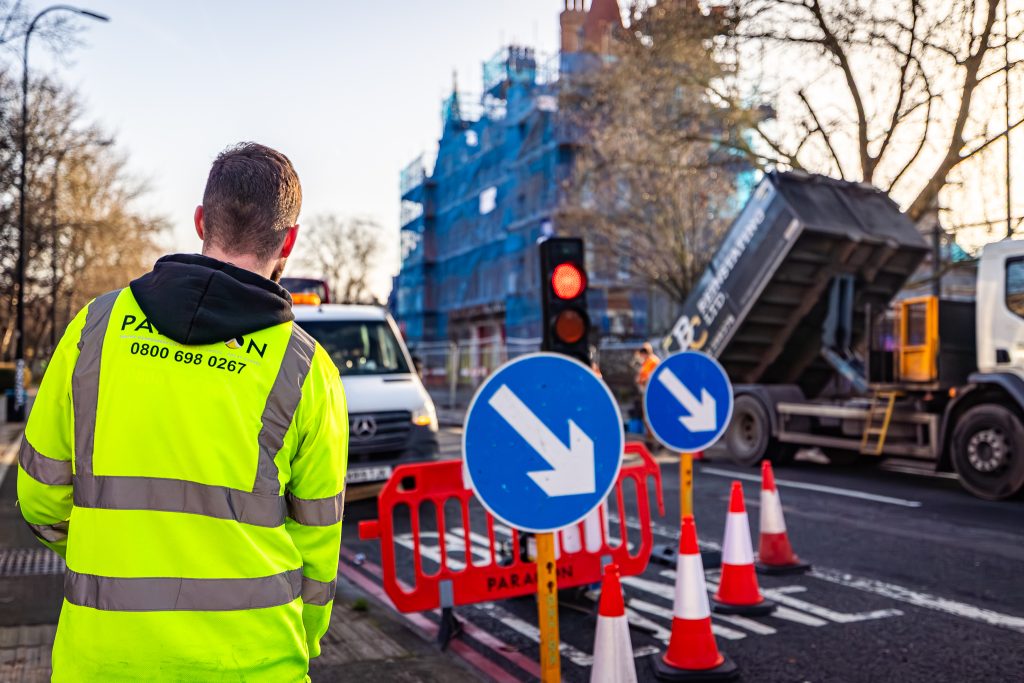
Temporary traffic management is the system used to safely control vehicles, pedestrians and site activity while works are taking place on or near the road.
It can include measures such as:
- cones and barriers
- warning signs
- lane closures
- road closures
- temporary traffic signals
- pedestrian diversions
- stop and go systems
The right setup depends on the type of work, the road layout, traffic speed, visibility, pedestrian activity and how much of the highway is affected. Official UK guidance covers both the safety arrangements for street works and the design and operation of road works signing and temporary traffic measures.
When Do You Need Traffic Management?
You are likely to need traffic management if your works:
- take place in the carriageway
- block part of a lane or footway
- affect vehicle movement
- affect pedestrian access
- require workers, vehicles or equipment to be positioned on or near the road
- need a road closure, lane closure or temporary signals
- create any risk to the public or your workforce
In simple terms, if your job has any impact on how the road or footway is normally used, traffic management should be considered early. The UK street works safety code is specifically intended to help duty holders carry out signing, lighting and guarding for works on highways and roads, and permit schemes allow highway authorities to control when and how works take place on their network.
When Might You Not Need Full Traffic Management?
Not every job needs a full road closure or complex setup.
For example, smaller works that are fully off the live carriageway and do not interfere with vehicles or pedestrians may not need extensive traffic management. But that does not mean no controls are required. You may still need signage, barriers, permits, licences or another form of site protection depending on where the work is and who controls the highway. The key point is that this should be assessed properly rather than guessed. Official guidance notes that temporary traffic management conditions and approvals can include matters such as portable traffic signals, temporary traffic regulation orders and permit conditions, depending on the job.
Why This Matters Legally
If you are carrying out works on the public highway, you may need permission before you start.
In England, highway authorities operating permit schemes use them to manage when, where and how street and road works take place, and Street Manager is the national service used to apply for street and road work permits and related records. For some works, organisations may also need a Section 50 street works licence, depending on their status and the nature of the works.
That means the question is not just whether traffic management is good practice. It is often part of carrying out the work safely, correctly and legally.
Why This Matters for Safety
Temporary traffic management is there to protect:
- your workforce
- drivers
- pedestrians
- cyclists
- residents
- other contractors nearby
Without the right setup, even straightforward work can create unnecessary risk. Proper temporary traffic management helps separate people from moving traffic, gives road users advance warning, and creates a safer working area for the job to be completed. That is exactly why the UK code of practice focuses on signing, lighting and guarding for street and road works.
Common Situations Where Traffic Management Is Usually Needed
Many companies need temporary traffic management for jobs such as:
- utility works
- civils and excavation works
- telecoms installations
- street lighting works
- tree works near the highway
- scaffolding or lifting operations affecting the road
- drainage works
- carriageway or footway repairs
- infrastructure works in urban areas
If the public highway is affected in any way, it is best to assume an assessment is needed.
So, Do You Actually Need Traffic Management?
If your works are on, next to, over, under or affecting a public road or footway, the safest answer is usually yes, or at the very least a professional assessment is needed.
The exact level of traffic management will depend on the job, but leaving it until the last minute can delay works, create compliance issues and increase risk.
The Best Next Step
If you are unsure whether your project needs temporary traffic management, the best approach is to get advice before work starts.
A proper review should look at:
- the type of work
- the road category and speed
- pedestrian and vehicle impact
- permits or licences needed
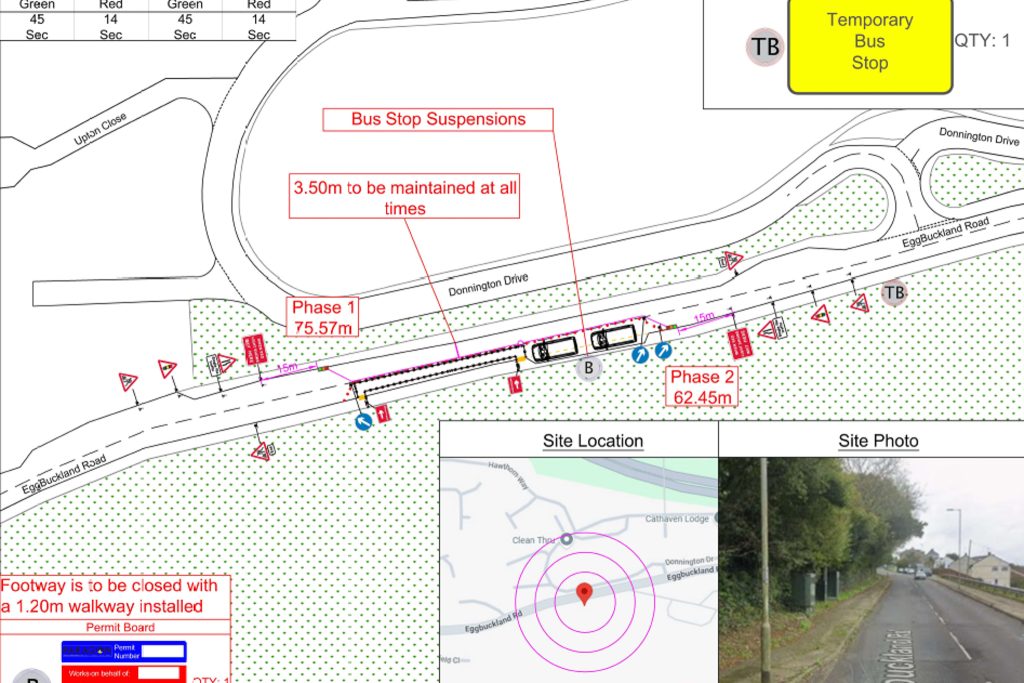
- whether a traffic management plan is required
- whether a lane closure, road closure or temporary signals are needed
Getting this right early helps avoid delays and makes sure your works are carried out safely and legally.
Need Help Working Out What You Need?
We handle everything from start to finish, all in house and under one roof. Design, permits, licences and delivery, with a 24-hour turnaround on quotes and a dedicated project coordinator to keep everything simple from start to finish.
Request a quote HERE today and let us help you work out exactly what your project needs.
If you have questions, please feel free to reach out to us Here