
Trialling an EV Traffic Management Van
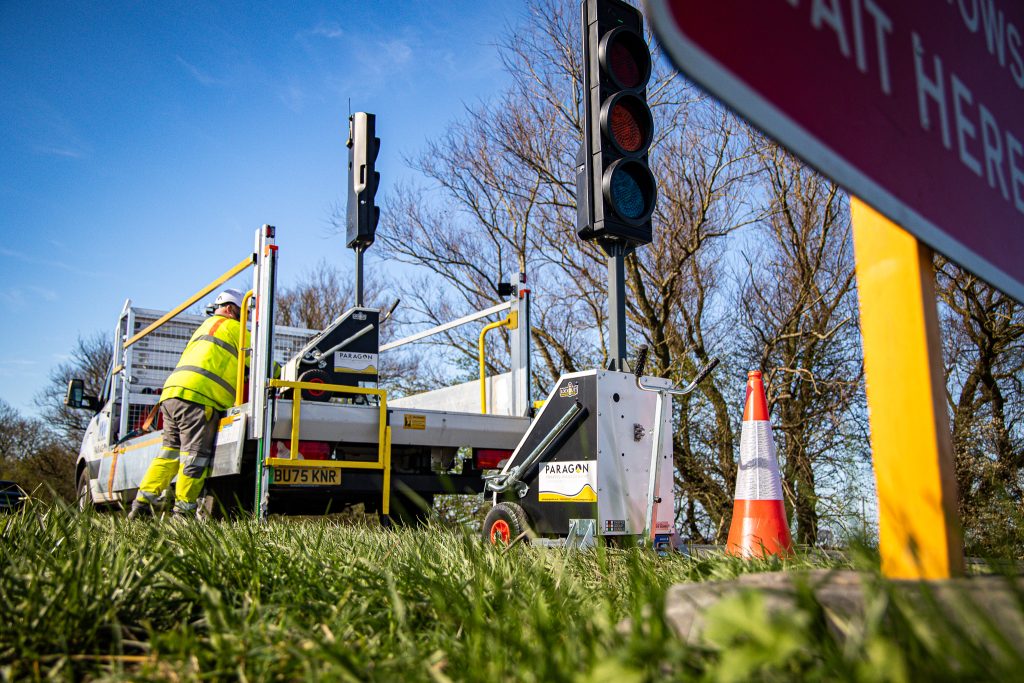
We recently had the opportunity to trial an electric vehicle traffic management van from Martin Williams in Hull, giving us the chance to explore what the future of traffic management vehicles could look like in real operational conditions.
As the industry continues to evolve, it is important for us to stay open to new ways of working that can improve efficiency, reduce environmental impact and support long-term operational performance. This trial has been an incredibly valuable part of that process.
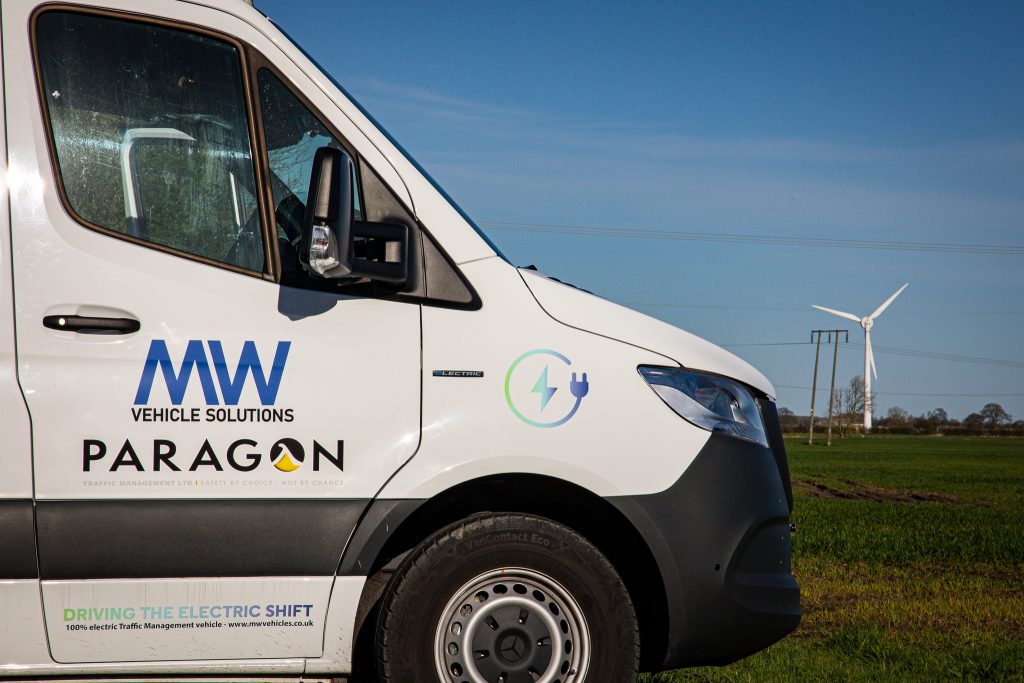
Why We Trialled an Electric Vehicle
The move towards electric vehicles is becoming more relevant across many industries, and traffic management is no exception.
For us, trialling a full electric traffic management van was about understanding the practical role and limitations that these vehicles could currently play in day-to-day operations and what benefits they may bring over time. That includes reducing carbon emissions, lowering operating costs and exploring how electric vehicles could support a more sustainable future for traffic management.
Just as importantly, it was about seeing how the vehicle performs in the real world, not just on paper.
What We Thought of the Driving Experience
One of the standout points from the trial was just how well the van drove in day-to-day use.
Without gear changes, the driving experience felt incredibly smooth, which made it much more comfortable to use throughout the day. The vehicle also had plenty of torque, so it did not struggle to get moving, which is especially important in a working vehicle that needs to perform reliably in real traffic conditions.
In our trial, we saw a real-world range of around 175 miles per charge, which gave us a useful picture of how an electric traffic management vehicle could work in practice.
The feedback from our TMOs was also very positive. They noticed reduced driving fatigue compared with a traditional combustion engine vehicle, which is an important factor when looking at driver comfort and day-to-day usability. Another practical benefit was the heating. With the EV, there was no waiting around for the heaters to warm up in the way you often do with a combustion engine vehicle, making it a better experience from the moment you get in.
Like anything new, there are a few things that take a little getting used to at first. Driving without a clutch pedal, without a gear lever, and without the usual engine noise when the vehicle is started and ready to go is definitely a different experience. But once you get used to that, it is absolutely up to the task.
Built by Martin Williams, the vehicle feels ready for the demands of the job, built to last and ready to rock.
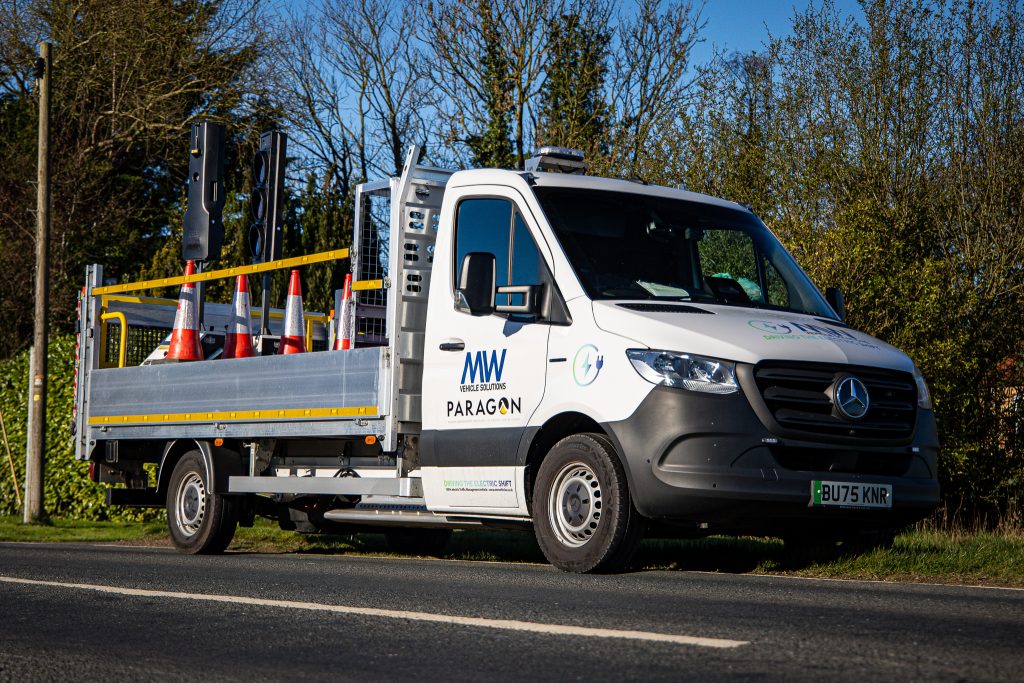
Why It Matters
Sustainability is becoming an increasingly important part of the way businesses operate, especially in sectors connected to infrastructure, construction and highways.
Because traffic management vehicles are such a core part of service delivery, it makes sense for us to look at how future fleet decisions could contribute to wider environmental goals. Trialling an electric traffic management van gave us the chance to assess how this type of vehicle performs in real operational conditions and whether it could play a bigger role in the future.
It is not about change for the sake of it. It is about understanding what works, what adds value and what could help us operate more efficiently moving forward.
Reducing Emissions and Operating Costs
One of the main reasons for exploring electric traffic management vehicles is the potential to reduce carbon emissions.
As more businesses look at ways to lower their environmental impact, EVs offer a clear opportunity to reduce emissions compared with traditional fuel-powered vans. For a business operating across multiple locations and supporting projects in different parts of the UK, that is something worth taking seriously.
There is also the operational side to consider. Alongside environmental benefits, electric vehicles may help reduce certain running costs over time, making them an area of real interest from both a sustainability and commercial point of view.
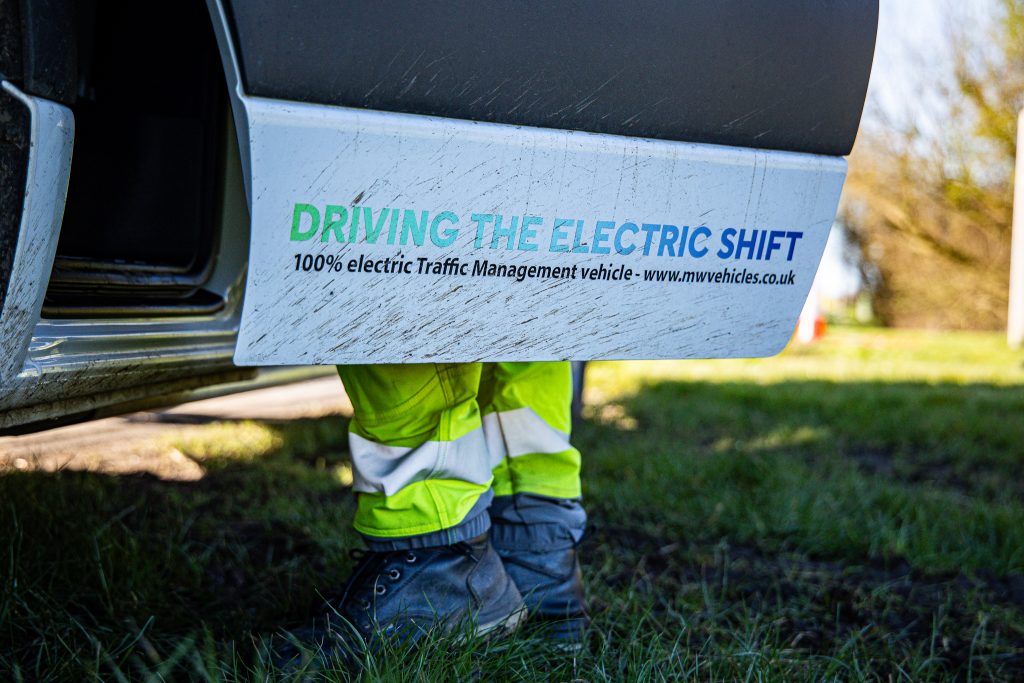
A Practical Step Towards the Future
At this stage, the trial is about learning.
It has given us the opportunity to experience the vehicle first-hand, understand how it fits into the demands of traffic management work and assess what role electric vehicles could play in the future of our fleet.
That kind of hands-on experience matters. It is the best way to make informed decisions and properly evaluate whether new solutions are right for the business and the work we deliver.
A Thank You to Martin Williams
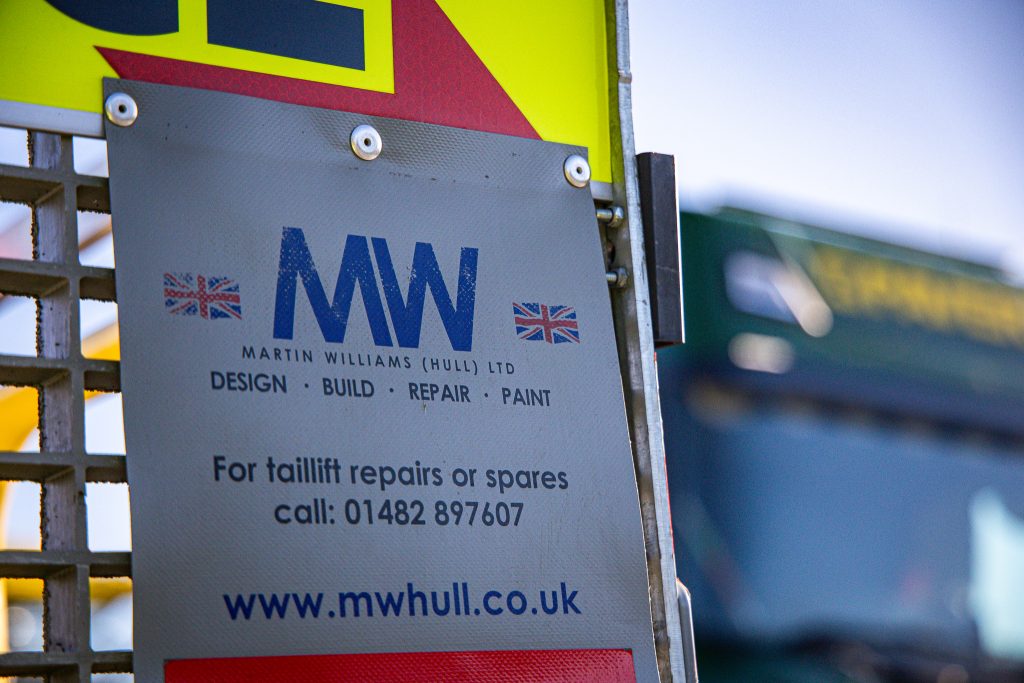
A big thank you goes to Martin Williams in Hull for being kind enough to lend us the van for this trial.
That willingness to support us, let us experience the vehicle properly and help us explore what could work for the future says a lot about the level of service they provide. It is exactly that kind of support and service that has earned our business for all of our new vans across the whole of the UK.
If you would like to learn more about Martin Williams, what they could do for your business or just have some questions about the EV side of fleet vehicles, visit their website www.mwhull.co.uk
Looking Ahead
We are always looking at ways to improve, invest and move forward. That includes looking at how our fleet, systems and services can evolve with the needs of the industry.
Trialling an EV traffic management van is part of that wider commitment to progress, efficiency and responsible growth.
Need to Speak to Us?
If you would like to find out more about our services, get in touch with the team today.
Call: 0800 698 0267
Email: contact@paragontm.co.uk